


The Lebanese scene appeared to be standing at a new crossroads, where political pressures intersect with economic and security challenges in a complex landscape that has little patience for slogans and a pressing need for decisive action.
On the political level, the issue of Hezbollah’s weapons has forcefully returned to the forefront. The government announced that the next phase of the plan to place all arms under state control will require several months of field operations carried out by the Lebanese Army. This comes amid a clear internal divide: supporters view the step as a gateway to strengthening state sovereignty, while opponents see it as a concession to external pressure. This matter does not exist in isolation; it is directly tied to regional balances and security calculations along the southern border.
From a security standpoint, the southern front remains sensitive. Tensions with Israel have not fully subsided, with reports of violations and sporadic airstrikes serving as reminders that the current stability is fragile and could be shaken at any moment. In a country already exhausted by crises, a single security incident could easily turn back the clock.
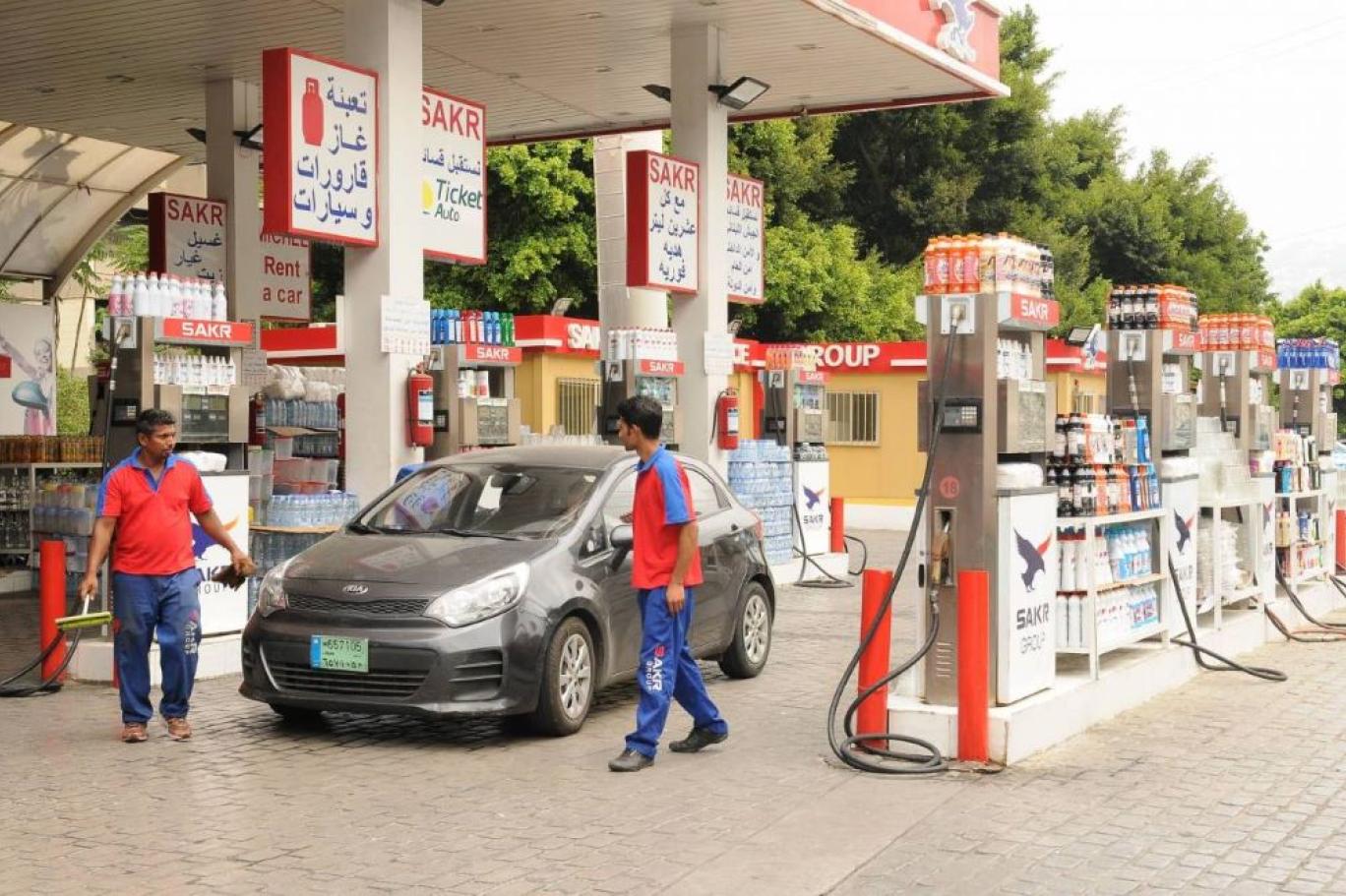
Economically, Lebanese citizens have been dealt another blow with rising fuel prices following increased taxes and fees. The government’s decision immediately affected transportation costs and the prices of goods, widening public anxiety. Citizens who were hoping for tangible improvements in purchasing power instead found themselves facing another wave of inflation, while wages have failed to keep pace with these increases.
Socially, the government has taken field action, with Prime Minister Nawaf Salam visiting affected families in Tripoli. The move carries humanitarian and symbolic significance, yet its impact remains limited unless translated into sustainable support policies.
In conclusion, Lebanon at this moment was not experiencing a single defining event, but rather a series of interconnected developments: sovereignty under debate, security under strain, and an economy weighing heavily on daily life. The coming phase will be measured by the state’s ability to turn these challenges into an opportunity to rebuild trust both domestically and internationally.

