


Lebanon once again woke up to a reality it knows all too well: security tensions, economic hardship, and politics trapped in a vicious cycle. Time in this country does not seem to move forward; it merely repeats itself, with new faces and deeper crises.
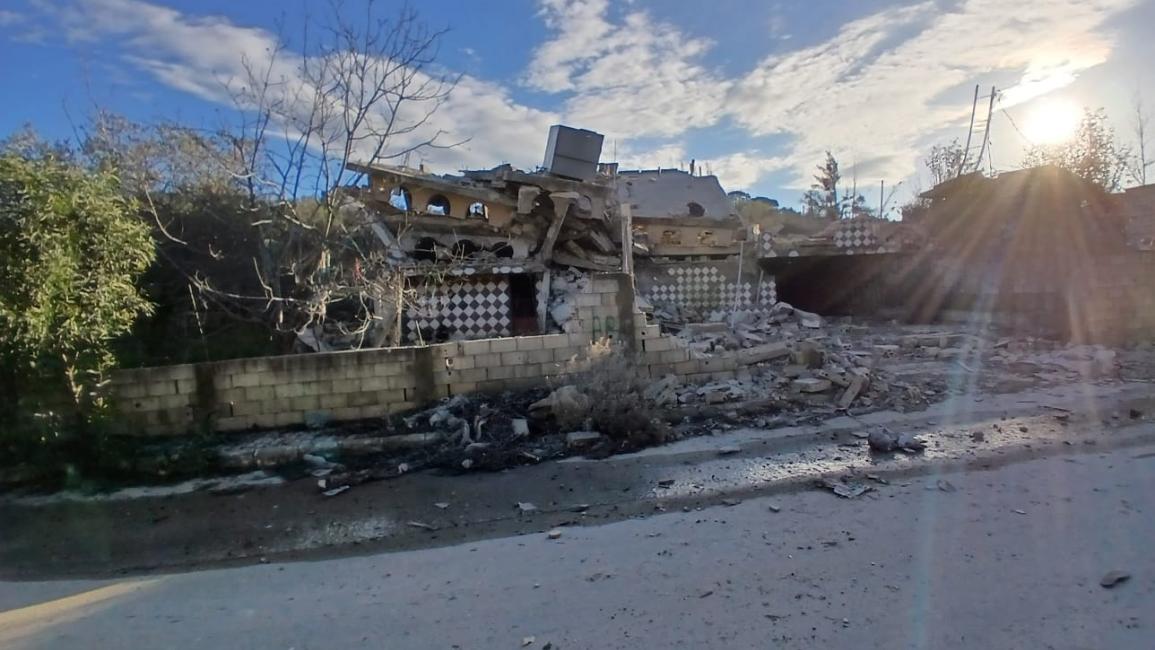
On the southern border, the scene returned to the forefront with Israeli incursions and the demolition of homes in border towns, a clear violation of the rules of engagement that have governed the area for years. These developments revived fears of escalation and reminded Lebanese citizens that the south remains an open front line, where stability is fragile and easily shaken by a single spark. As usual, the state observes and condemns, while public anxiety runs ahead of any reassuring official statements.
Internally, the situation is no less harsh. Recent international reports confirmed that food insecurity continues to affect a large segment of the population, with a growing number of families unable to meet their basic needs. Bread is no longer a daily detail but a silent battle fought inside homes. The economic crisis, despite all promises, has not entered a phase of recovery; instead, the country is merely “managing the collapse” rather than resolving it.
Politically, attempts have emerged to reactivate channels of communication between Beirut and Damascus, particularly regarding sensitive security files. While some view this step as pragmatic, it opens a broad debate over sovereignty, borders, and Lebanon’s role in the region. At the same time, international analyses continue to link Lebanon’s situation to wider regional shifts, especially those related to Iran and its allies.
In conclusion, January 20, 2026 was not exceptional in itself. Rather, it was an accurate reflection of Lebanon’s condition: a country perpetually standing on the edge of possibilities, oscillating between explosion and resilience, and living on the hope that tomorrow might deliver what yesterday could not.

